All by myself
Think tank: Resolution Foundation
Author(s): Parth Pandya
August 12, 2026
This report from UK think tank the Resolution Foundation explores the change in time spent alone over the last decade.
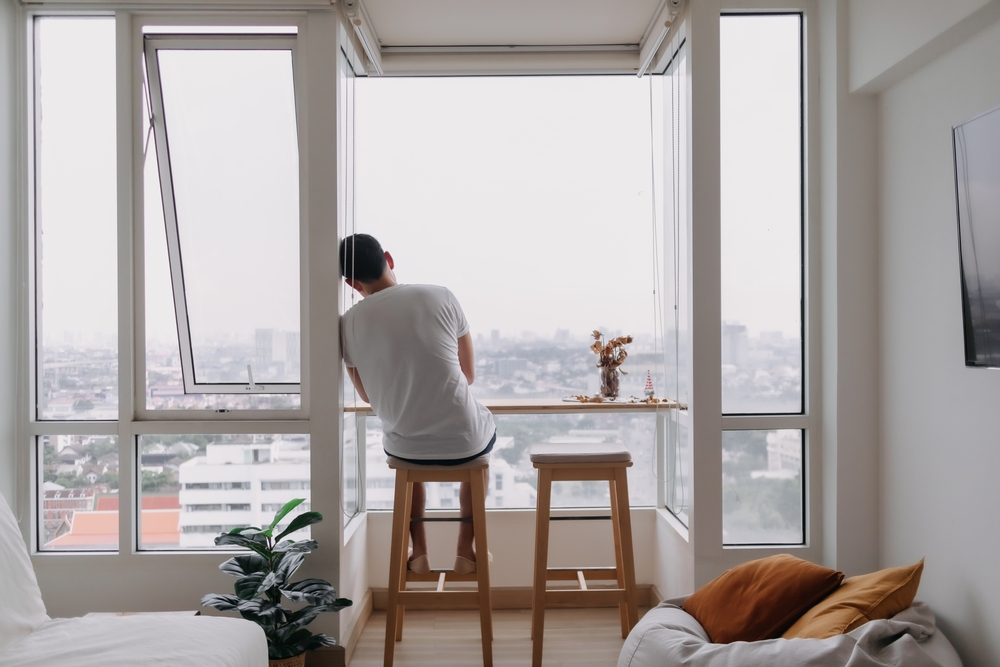
Time spent alone has risen up the public and political agenda, reflected in debates about the ‘relationship recession’, social media use and more working from home. But these underlying societal shifts have not affected time spent alone across all age groups equally.
Most strikingly, young men (aged 18-29) now spend more than two-fifths of their waking hours alone, up by two hours a day since 2014-15. In contrast, women aged 60 and over and men aged over 70 spend around one to one-and-a-half fewer hours alone than a decade earlier. These changes have closed the gap in time spent alone between younger and older people: in 2014-15, time alone rose steadily with age, but that clear upwards gradient has now gone.
For younger age groups, surging screen use almost certainly matters. But there is another important driver: the rise of solo working, which has nearly tripled. Working from home accounts for two-thirds of the rise in working time spent alone among those of working age. Meanwhile, older people are spending the time gained back over the decade doing leisure with others. This matters because people often have more control over their leisure time than over their work.
Even without factoring in a likely bigger rise in solo screen time (due to underreporting), recorded time alone is still up substantially for young people. Younger people not only spend more time alone but are lonelier. They are also making weaker income progress than previous generations, which may be part of why they are less able to offset time spent working alone with more sociable leisure time.
These findings matter for the nature and satisfaction of work, and have important implications for policy, particularly health, job quality and ‘worker power’. If we are serious about well-being for the youngest generation and those that come after, then work deserves attention as well as people’s screens.