
Reckoning or rhetoric: Is now the time for reparative justice on the global stage?
15 October 2026, 6:00 pm – 7:00 pm
Location: Online / Chatham House, 10 St James's Square, London SW1Y 4LE
Think tank: Chatham House
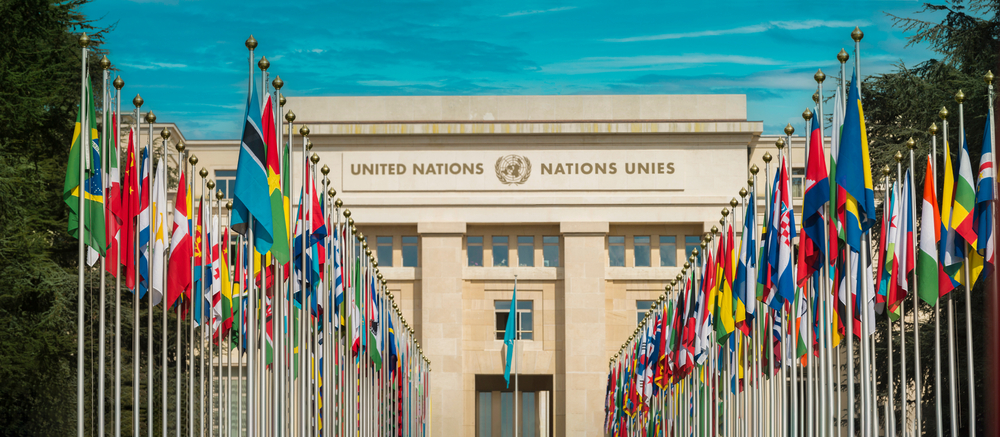
This event hosted by UK think tank Chatham House discusses what a landmark UN resolution means for the future of global reparations.
A landmark UN resolution recognising the transatlantic slave trade as the “gravest crime against humanity” has reset the terms of the global reparations debate. Resolution A/80/L.48, backed by a unified front of African, Caribbean and global Black diaspora leaders, passed by a comfortable majority – though a significant bloc of abstentions, concentrated in the Western world, signalled how far the international community remains from agreement on substance or obligation. A subsequent high-level “Next Steps” conference has pushed discussions of reparative justice from principle toward implementation, even as that divide persists.
To commemorate Black History Month, Chatham House’s Equality, Diversity and Inclusion Working Group brings together speakers to examine where reparatory justice frameworks can move from acknowledgement to policy, and where the limits of political will and international consensus lie.
This event discusses:
- What would it mean to move beyond symbolic recognition toward material and structural forms of reparative justice?
- What incentives might encourage Western actors to support reparative justice efforts?
- How does deepening solidarity between Africa and the Caribbean change the leverage behind efforts to refine visions of justice, development and collective political power on the global stage?
- What can domestic reparatory schemes – local, municipal or national – teach international efforts about design, delivery and durability?
This panel discussion is followed by a drinks reception and exhibition launch.
Speakers
Event chaired by Tighisti Amare.
Tighisti Amare – Director, Africa Programme
The Rt Hon Baroness Valerie Amos – Former Under-Secretary-General for Humanitarian Affairs and Emergency Relief Coordinator, United Nations
Ebony Riddell Bamber – Programme Director, Scott Trust Legacies of Enslavement Programme, The Guardian
The Rt Hon. Lord Paul Boateng – Member of House of Lords
Shodona Kettle – Doctoral Researcher and UNESCO Consultant, University College London