


Reports

The DPRK’s chemical facilities: Aoji-ri area: Site profile 6
This report from UK think tank RUSI delivers a critical assessment of North Korea's Aoji-ri chemical facilities. This paper delivers a critical assessment of North Korea's Aoji-ri chemical facilities, offering new insights into their role within the country's broader chemical weapons (CW) landscape. Leveraging open source intelligence and satellite imagery, the report clarifies the operational...

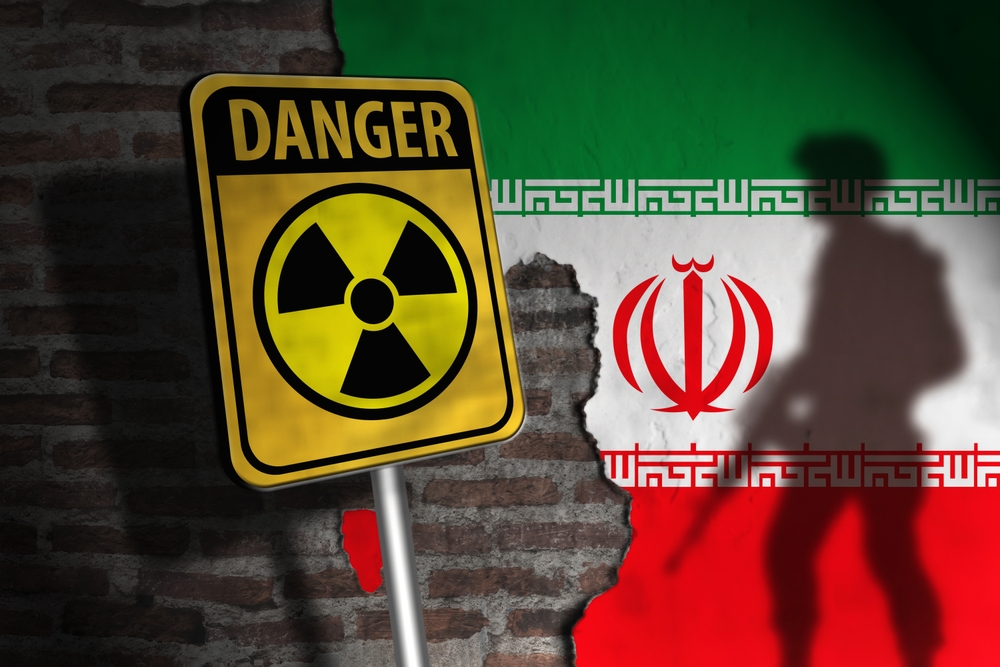
Iran nuclear monitor
This report from UK think tank the ECFR monitors Iran's nuclear programme. This regularly updated Iran nuclear monitor is developed in consultation with nuclear security experts, drawing on open-source intelligence, IAEA statements and satellite imagery analysis. Indicators track distinct, observable activities or declarations of intent—for example, diplomacy, enrichment or official nuclear policy—that collectively allow readers...


The DPRK’s chemical facilities: Kanggye area: site profile 5
This report from UK think tank RUSI delivers a critical assessment of North Korea's chemical weapons (CW) infrastructure in Kanggye. This paper delivers a critical assessment of North Korea's chemical weapons (CW) infrastructure in Kanggye, offering new insights through satellite imagery and open-source intelligence. Its impact lies in providing a clearer, evidence-based foundation for understanding...

Evaluating Russian support for North Korea’s nuclear weapons
This report from UK think tank RUSI contributes to a greater understanding of the evolving Russia–North Korea nexus of nuclear proliferation. Overview Russia’s deepening defence partnership with North Korea is reshaping the global security landscape, with potentially significant implications for nuclear non-proliferation efforts. This paper analyses how Russian technical and financial support might be advancing...

Gender and identity analysis for hybrid threats
This report from UK think tank RUSI presents a framework for integrating gender and identity analysis into the assessment of and response to hybrid threats. RUSI's project on Enhancing NATO Counter Hybrid Threats Strategies with Gender Analysis examines how adversarial actors weaponise gender and identity as part of hybrid threat strategies aimed at weakening social...

Instability in the Kenya-Somalia-Ethopia borderlands
This report from UK think tank RUSI underscores the need for integrated approaches to peacebuilding, development and security in the borderlands. This paper provides critical insights into the complex dynamics of instability in the Kenya–Somalia–Ethiopia borderlands, drawing on findings from the Deris Wanaag project's research conference held in Nairobi in February 2026. The conference brought...

Developing a framework for secure third-party access to frontier AI
This report from UK think tank RUSI delivers a critical framework for securely enabling third-party evaluation of frontier AI models. This paper delivers a critical framework for securely enabling third-party evaluation of frontier AI models, directly addressing the urgent need for robust safety and security in the defence and security sector as AI capabilities rapidly...

Pressing reset
This report from UK think tank the Fabian Society explores what a new relationship with Europe might look like. A decade ago, the British electorate narrowly voted to leave the EU. It was a decision of generational significance, predicated, in large part, on a picture of splendid isolation that has turned out to be false:...


Russian sabotage of NATO infrastructure: Identifying alliance vulnerabilities
This report from UK think tank RUSI looks at the lessons to be drawn from sabotage attacks attributed to Russia against civilian infrastructure and logistics in European NATO countries. This paper provides a critical analysis of Russia's escalating sabotage operations targeting NATO civilian infrastructure and logistics in Europe since the 2022 invasion of Ukraine. It...

Public cyber attribution in the Global South: Indo-Pacific
This report from UK think tank RUSI underscores the importance of understanding the Global South’s perspectives on cyber attribution to help navigate the complexities of a multipolar world. Global South approaches to public cyber attribution are more cautious than Western approaches, due to factors including cultural background, foreign policy goals and perceptions of western double...

War of words: Countering Russia’s global information campaigns
This report from UK think tank the Coalition of Global Prosperity explores how Russia is using disinformation to set the foundation for future aggression in Europe. Disinformation and propaganda have been central to Russian strategy for more than a century. Notwithstanding technological developments and shifting political dynamics, Russia’s contemporary information campaigns exhibit striking similarities to...


Tracking money and influence in the UK and Europe
This report from UK think tank RUSI explores transnational anti-rights mobilisation as a hybrid threat to UK and European democracy. This paper highlights the growing threat of transnational anti-rights mobilisation to the UK and European democracy, driven by foreign actors, funding and influence. It examines how identity-based narratives are strategically weaponised to undermine democratic resilience,...

How to build public support for defence spending in Europe
This report from UK think tank the Centre for European Reform presents strategies for preventing a political backlash. As European governments look to spend more on defence to better deter security threats from Russia and others, a lack of public support for the spending trade-offs involved risks triggering a political backlash. A new CER policy...


Hostile states and the Far Right: Converging tactics
This report from UK think tank RUSI examines how hostile states exploit far-right gender and identity narratives to polarise societies and weaken democracies. This paper highlights the critical intersection between hostile state actors and transnational far-right movements, revealing how gender and identity-based narratives are weaponised to polarise societies, weaken democratic institutions and disrupt international alliances....

Strengthening UK-South Korea cyber security cooperation
This report from UK think tank RUSI examines the current state of bilateral cooperation on cyber security and provides recommendations to strengthen the partnership. This research paper highlights the critical importance of the UK–Republic of Korea (UK–ROK) Strategic Cyber Partnership (SCP) in addressing shared cyber security challenges and advancing mutual interests, including in the Indo-Pacific....